

Photos of children’s groups, holiday clubs and nativity plays are some of the most joyful things a church can share. They’re also where safeguarding and data protection matter most. Here’s a simple approach your team can follow every time.
This is general guidance, not legal advice. Your safeguarding policy and your denomination’s guidance come first.
What consent do you need?
For any photo or video where a child can be identified, get written consent from a parent or carer before you post it. Many church policies also ask older children for their own agreement. Consent should be specific: say where the images will appear (website, social media, newsletter) and for how long.
What are the simple rules for posting?
- Only photograph children whose parents have given consent, and keep a list your photographers can check.
- Don’t use children’s full names alongside their photos.
- Never include details that show where a child can be found, such as school uniforms or location tags.
- Use church devices for official photos where possible, not personal phones.
- Choose images where children are appropriately dressed and engaged in the activity.
- Remove images quickly if a parent asks.
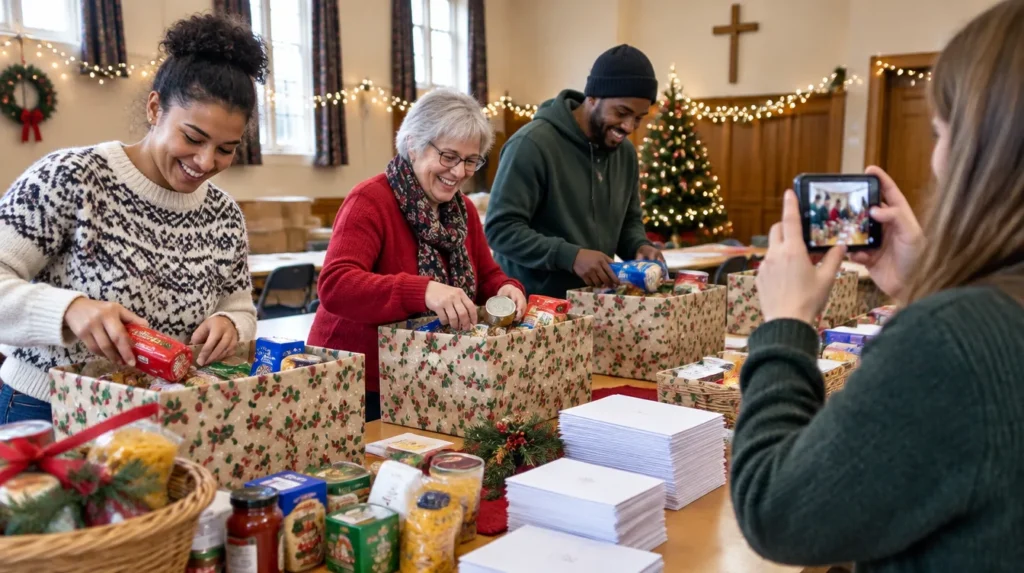
From our team: photos of hands, crafts, backs of heads and wide shots tell the story beautifully without identifying anyone. They’re often our clients’ best-performing posts.
How does data protection apply?
A photo of an identifiable person is personal data, so UK GDPR applies when your church uses it. You need a lawful reason, and for children’s images, clear consent is usually the simplest and safest basis. Keep consent records securely, tell people how to withdraw consent, and only keep images as long as you need them. The Information Commissioner’s Office publishes guidance for organisations.
What should a consent form include?
- The child’s name and the parent or carer’s name
- Exactly where images may be used
- Whether names may ever be used (we recommend not)
- How long the consent lasts, and when it will be reviewed
- How to withdraw consent at any time
- A signature and date
For specialist support, Christian safeguarding charity thirtyone:eight offers guidance and resources, and Church of England churches can follow the national safeguarding guidance.
We follow these rules in every post we create for churches. If you’d like a clear social media plan that puts safeguarding first, see our social media management service or our free templates.
Frequently asked questions
Do we need consent for a wide group photo?
Some church guidance says consent isn't needed for wide shots of a public event where children aren't the focus. Many churches still avoid identifiable children without consent. Follow your own safeguarding policy.
Can we name children in photos?
It's safest not to. If you ever do, get specific consent for the name as well as the image, and never give details that show where a child can be found.
How long can we keep photos of children?
Only as long as you need them for the purpose you gave. Set a review date, and remove images when consent is withdrawn.
Sources
Last checked: November 2026. This guide is general information, not legal or financial advice.